Understanding Bathroom Remodel Cost: 2026 Greater Seattle–Tacoma Guide
If you’ve searched for bathroom remodel cost, you’ve probably seen numbers that feel completely contradictory. One website claims a bathroom remodel costs $5,000. Another says the average bathroom remodel cost is closer to $15,000. Others suggest $30,000, $50,000, or even higher.
Nearly all of them present those figures as “average,” yet very few explain why bathroom remodeling costs vary so dramatically—or which price range actually applies to your specific project.
That confusion exists because there is no single blueprint for a bathroom remodel. In fact, many homeowners are surprised to learn that two identical spaces can yield vastly different renovation costs. The true price tag is driven less by square footage and more by project scope, material choices, and the technical complexity of what is happening behind the walls. Understanding these variables is essential before launching a bathroom remodel, as it helps ensure your expectations line up with your budget.
Much of the misinformation online stems from the fact that many estimates for bathroom remodel cost combine completely different projects into one misleading statistic. A cosmetic refresh, such as replacing a vanity, painting walls, and upgrading fixtures, is often averaged together with full gut remodels that involve new plumbing, waterproofing, tile work, and structural repairs. When those projects are blended into one number, the result has very little connection to real-world remodeling costs.
Furthermore, a bathroom remodel involves more technical work per square foot than almost any other room in a home. Plumbing, electrical work, ventilation, waterproofing systems, and tile installation all need to work together correctly inside a relatively small space. Even bathrooms that appear simple on the surface often require a large amount of specialized labor behind the walls. This is especially true when existing conditions—like outdated plumbing or hidden moisture damage—are uncovered during demolition.
Finally, location affects bathroom remodel cost more than many national pricing guides acknowledge. Labor rates, permit requirements, and regional construction standards vary significantly. Remodeling costs in higher-cost areas such as the Seattle–Tacoma region are often substantially different from the national averages commonly shown online. Once your project scope is clearly defined and these regional factors are accounted for, the wide range of bathroom remodel costs begins to make much more sense. The sections that follow break down those scopes and explain what actually drives pricing, so you can stop guessing and start planning.
Average Bathroom Remodel Cost in 2026
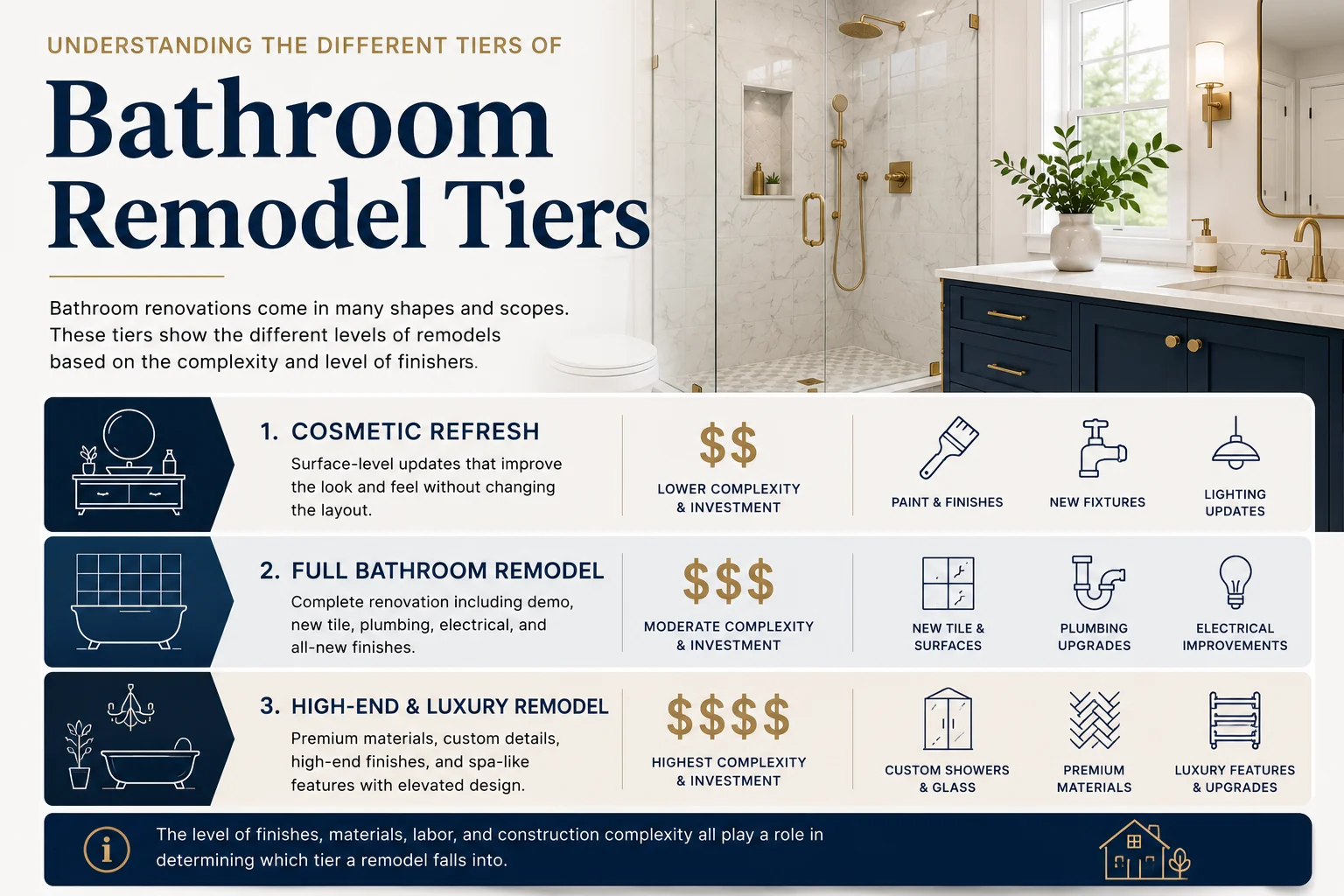
Most bathroom remodels fall into one of four primary pricing categories. Rather than relying on one broad average, it is far more accurate to identify which type of remodel a project actually falls into.
When people look up the cost of a bathroom remodel, they’re often hoping for a single number that tells them what to expect. In reality, bathroom remodel costs fall into distinct ranges based on scope, not size alone. Understanding those ranges—and what typically falls into each one—makes it much easier to estimate where a specific project fits.
Instead of relying on a single “average,” it’s more accurate to think of bathroom remodel pricing in tiers. Each tier reflects a different level of work, complexity, and long-term impact on the home.
Cosmetic Bathroom Refresh
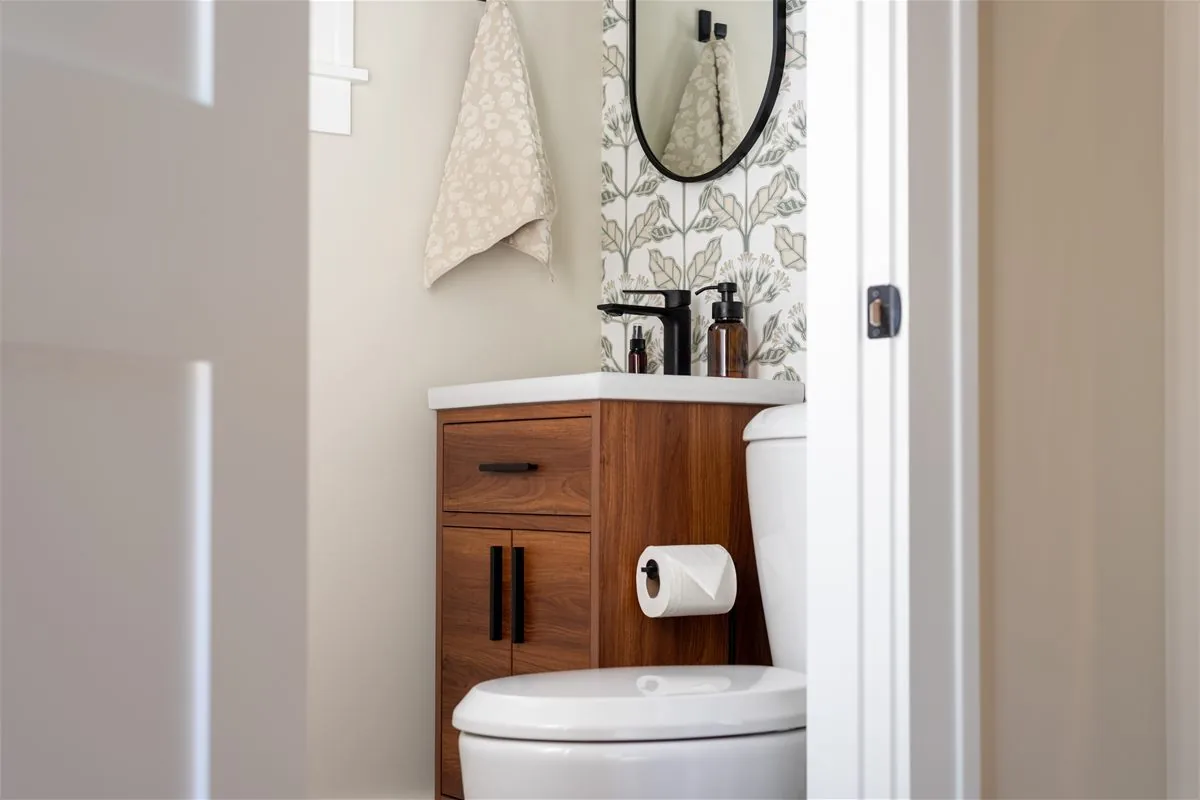
A cosmetic bathroom refresh is the lowest bathroom remodel cost tier because it focuses primarily on surface-level improvements rather than major construction work. These projects typically include updates such as a new vanity, modern plumbing fixtures, fresh paint, updated lighting, mirrors, hardware, and minor finish upgrades while keeping the existing bathroom layout unchanged.
Because plumbing, electrical, and structural systems are usually left untouched, labor and demolition costs remain relatively limited compared to larger bathroom remodeling projects. Cosmetic bathroom updates work best in spaces that are still functional and structurally sound but feel visually outdated or worn over time.
This type of bathroom remodel is often what homeowners picture when they see lower bathroom remodel cost estimates online. While those numbers can be realistic for a cosmetic refresh, they usually do not include major tile work, waterproofing systems, plumbing upgrades, electrical modifications, or hidden repairs discovered during demolition.
Full Bathroom Remodel
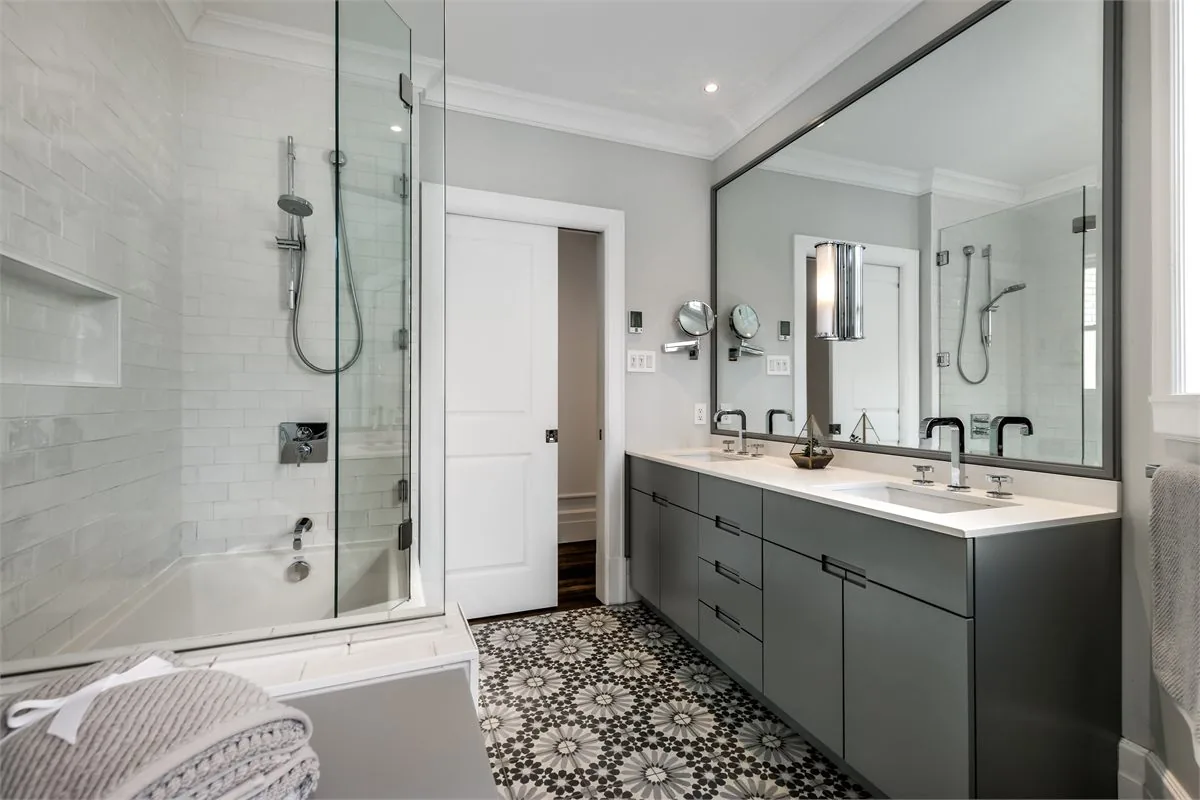
A full bathroom remodel involves replacing most or all of the finishes and systems within the bathroom rather than simply updating surface-level features. These projects typically include new flooring, wall tile, a new vanity, modern fixtures, upgraded lighting, and a fully rebuilt shower or tub surround. In many cases, demolition extends down to the framing, especially in older bathrooms where waterproofing, plumbing, ventilation, or subflooring need to be updated.
While the layout often remains similar, nearly everything within that layout is rebuilt or upgraded. Plumbing and electrical systems are commonly brought up to current code, and layout changes may also become possible depending on the scope of work.
Bathroom remodel cost increases significantly at this stage because labor becomes far more involved. Proper waterproofing, tile installation, plumbing work, electrical upgrades, inspections, and finish installation all require skilled trade work completed in multiple stages.
This type of bathroom remodel is common in older homes, bathrooms with aging systems or hidden damage, and projects where homeowners want a long-term renovation that improves both appearance and functionality.
High-End or Luxury Bathroom Remodel
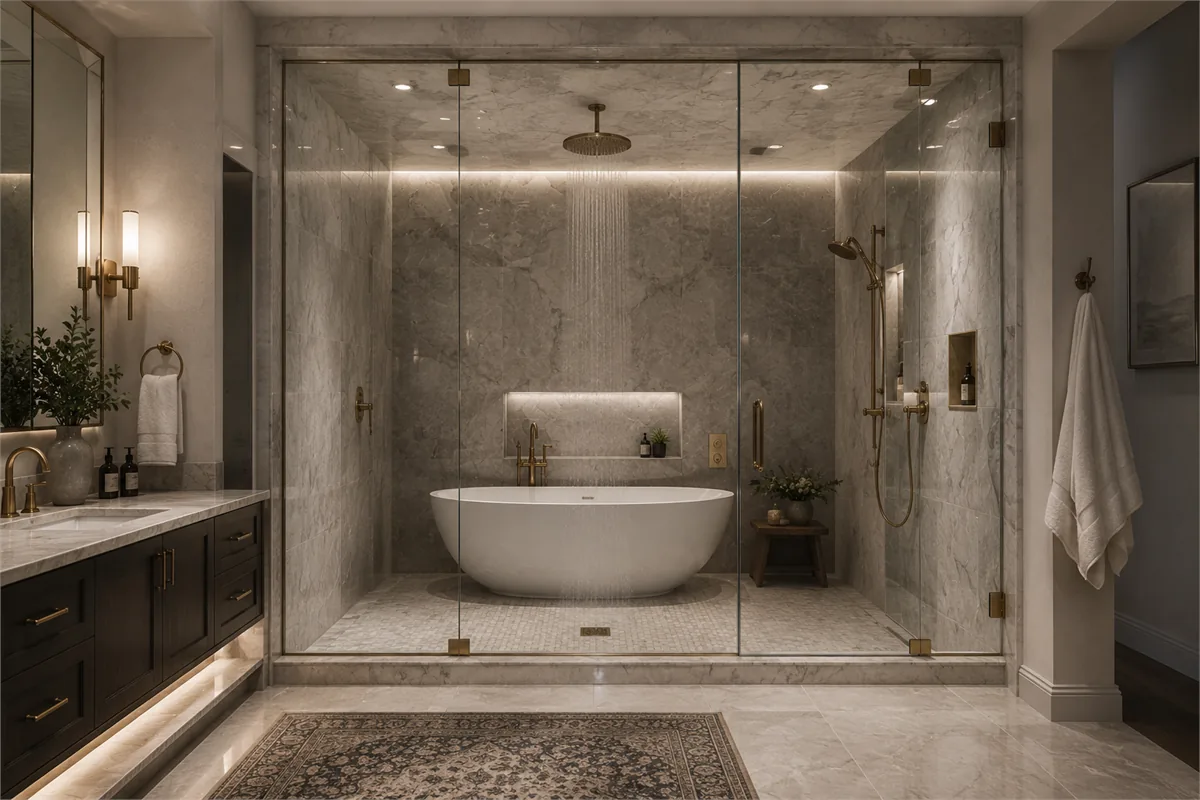
High-end bathroom remodels are driven less by size and more by complexity. These projects often include custom tile work, premium fixtures, heated floors, frameless glass, built-in niches or benches, and detailed finish work. Even without changing the layout, the level of craftsmanship required increases labor time substantially.
At this level, bathroom remodel cost is shaped by design choices as much as construction. Custom materials, specialty installations, and precise detailing all add time and expense. These remodels are highly personalized and typically exceed standard price ranges because they prioritize aesthetics, comfort, and customization.
Rather than asking what the “average” bathroom remodel costs, it’s more useful to identify which category a project falls into. Once the scope is clear, bathroom remodel cost becomes far more predictable—and the wide range of prices seen online starts to make sense.
What Actually Affects Bathroom Remodel Cost?
Once the scope of a bathroom remodel is defined, the next question homeowners usually ask is why bathroom remodel costs can increase so quickly from one project to another. In most cases, the answer has less to do with bathroom size and more to do with labor, system upgrades, construction complexity, and the amount of skilled trade work involved.
Bathrooms may be relatively small spaces, but they contain more technical work per square foot than almost any other room in a home. Plumbing, electrical work, waterproofing, ventilation, tile installation, and finish details all need to work together correctly within a very limited area. Because of this, two bathrooms that appear similar on the surface can still have dramatically different remodeling costs depending on what is happening behind the walls.
Labor: The Largest Part of Bathroom Remodel Cost
Labor is usually the single largest factor affecting bathroom remodel cost. A full bathroom remodel requires multiple skilled trades working in sequence, including demolition, plumbing, electrical, waterproofing, tile installation, finish carpentry, painting, and fixture installation. Each stage depends on the previous one being completed correctly.
Unlike cosmetic updates, bathroom remodeling work cannot be rushed without creating long-term problems. Waterproofing, tile installation, plumbing connections, and finish work all require precision. More complex layouts, tighter tolerances, custom details, and higher-end finishes increase labor time significantly, even when material costs remain similar.
This is one of the biggest reasons two bathrooms with comparable materials can still have very different remodeling costs.
Plumbing Changes and Layout Modifications
Moving a shower, toilet, or vanity often requires opening floors or walls, modifying drain lines, adjusting venting, and updating water supply connections. Even relatively small plumbing changes can add substantial labor and coordination.
Many remodels also require rough-in plumbing modifications behind the walls and beneath the floor. New shower valves, dual vanities, upgraded water lines, drain adjustments, and modern fixture requirements can all increase installation complexity. In older homes, plumbers may also uncover aging piping, improper venting, or previous plumbing work that needs correction during the renovation.
Although most of this work remains hidden after construction is complete, it plays a major role in drainage performance, leak prevention, and long-term reliability.
Electrical Work and Code Requirements
Modern bathrooms require proper lighting placement, exhaust fans, GFCI protection, dedicated circuits, and safe electrical clearances around water sources.
Older bathrooms frequently lack proper wiring or ventilation, which often needs to be corrected during renovation. Adding features such as heated flooring, recessed lighting, backlit mirrors, or upgraded ventilation systems can also increase electrical complexity and labor requirements.
Electrical work affects bathroom remodeling cost not just because of fixtures themselves, but because of access, inspections, coordination with other trades, and current building code requirements.
Waterproofing and Preparation
Proper waterproofing is one of the most important parts of a full bathroom remodel and one of the most overlooked reasons bathroom remodel cost increases. Showers and wet areas require waterproof membranes, properly prepared substrates, correct slope, and multiple installation stages before tile installation can begin.
Although this work is hidden once the bathroom is completed, it plays a critical role in protecting the home from leaks, mold, water damage, and long-term structural issues. Higher remodeling costs often reflect the skilled labor, materials, and time required to build these systems correctly.
Many modern shower systems now rely on integrated waterproofing products designed specifically for wet environments. Manufacturers such as Schluter Systems have helped standardize many of the waterproofing methods commonly used in high-quality bathroom remodeling.
Material Selection and Finish Quality
Finish selections can change both material pricing and installation complexity very quickly, especially when custom or high-end products are involved.
In many bathroom remodels, finish selections affect both material pricing and installation complexity at the same time. Higher-end materials often require more preparation, more precise installation, and additional labor to achieve the desired final appearance.
Because of this, two bathrooms with nearly identical layouts can still fall into very different price ranges depending on the level of finishes being installed.
Permits, Inspections, and Hidden Conditions
Permits and inspections are another factor that affects bathroom remodel cost, especially when plumbing, electrical, or structural work is involved. Inspections help ensure the remodel meets current safety and building standards, but they also add coordination, scheduling, and labor requirements throughout the project.
Another major cost factor is what gets discovered during demolition. Water damage, mold, rotted framing, failing subfloors, improper waterproofing, or poorly completed previous renovations are all common findings—particularly in older homes.
These hidden conditions are rarely visible during the planning stage, but once exposed they must be repaired properly before the new bathroom can be rebuilt. While frustrating, correcting these issues is essential for long-term durability, performance, and reliability.
Bathroom Remodel Cost by Bathroom Type
| TIER | SMALL Up to 40 sq ft |
MEDIUM 41 – 80 sq ft |
LARGE 81+ sq ft |
|---|---|---|---|
| COSMETIC REFRESH Surface-level updates that refresh the look without changing the layout. |
$7,000 – $10,000 | $10,000 – $14,000 | $14,000 – $18,000 |
| FULL REMODEL Complete renovation including layout changes and all new components. |
$18,000 – $22,000 | $22,000 – $28,000 | $28,000 – $32,000 |
| LUXURY REMODEL High-end materials, custom design, and premium features with no compromises. |
$30,000 – $40,000 | $40,000 – $75,000 | $75,000 – $120,000+ |
Another reason bathroom remodel cost can feel inconsistent is that not all bathrooms require the same level of construction work. While bathroom size does affect material quantities, the type of bathroom being remodeled often has a much bigger impact on labor, plumbing complexity, waterproofing requirements, ventilation, and overall construction difficulty.
Breaking down bathroom remodel cost by bathroom type helps explain why two projects with similar square footage can still fall into very different price ranges. A small guest bathroom, a master bathroom, and a basement bathroom may all be similar in size, but the amount of work involved behind the walls can vary dramatically.
Small Bathroom Remodel Cost
Small bathrooms are often assumed to be inexpensive to remodel, but that is not always the case. While smaller bathrooms use fewer materials, many of the same fixed labor and system costs still apply. Plumbing connections, waterproofing, electrical work, ventilation, tile installation, and inspections are typically required regardless of bathroom size.
In many small bathroom remodels, fixtures are packed tightly together, which can actually make installation more difficult. Tile layouts become less forgiving, waterproofing details are tighter, and there is very little room for installation error. Because of this, small bathroom remodel cost does not decrease proportionally with square footage the way many homeowners expect.
Small bathrooms are also common in older homes, where outdated plumbing, inadequate ventilation, or hidden water damage can increase renovation costs significantly once demolition begins.
Hall Bathroom Remodel Cost
Hall bathrooms—sometimes called guest or shared bathrooms—are one of the most common bathroom remodeling projects homeowners undertake. These bathrooms typically include a tub or shower combination, a single vanity, standard lighting, and relatively straightforward layouts.
Bathroom remodel cost for hall bathrooms depends heavily on whether the existing layout remains unchanged. Keeping plumbing locations in place generally helps control labor costs, while converting tubs into walk-in showers, moving walls, or relocating fixtures increases both construction complexity and remodeling cost.
Because hall bathrooms are used frequently by multiple people, many homeowners prioritize durability, easy maintenance, and long-term functionality when selecting materials and finishes.
Master Bathroom Remodel Cost
Master bathroom remodel cost is usually higher due to increased size, fixture count, and overall project complexity. Double vanities, larger showers, freestanding tubs, upgraded lighting, and custom finishes are all common features in master bathroom renovations.
Even when the layout remains similar, the larger number of fixtures and finish details increases plumbing, electrical, waterproofing, and tile installation labor. Tile coverage is often more extensive in master bathrooms, and homeowners typically expect a higher level of finish quality and customization.
Features such as frameless shower glass, heated flooring, built-in niches, custom tile patterns, premium fixtures, and upgraded storage all contribute to higher bathroom remodeling costs in master bathrooms.
Basement Bathroom Remodel Cost
Basement bathroom remodel cost can vary significantly because basement spaces introduce a unique set of construction challenges. Plumbing drains may require concrete cutting, ejector systems, or additional drainage work, while venting and moisture control often become more complicated than in above-grade bathrooms.
Basement bathrooms also require careful attention to waterproofing, insulation, ventilation, and long-term moisture management. Even relatively small basement bathrooms can involve substantial labor behind the walls and beneath the floor.
Because of these added construction requirements, basement bathroom remodels are often more complex than standard bathroom renovations, even when the finished space itself appears relatively simple.
How to Budget for a Bathroom Remodel Realistically
Once homeowners understand bathroom remodel cost, scope differences, and what actually affects pricing, the next challenge is building a realistic remodeling budget. This is where many bathroom remodeling projects run into problems—not necessarily because the work was poorly planned, but because expectations were based on incomplete or misleading pricing information.
A realistic bathroom remodel budget starts with understanding how remodeling costs are structured and where unexpected expenses commonly appear.
Industry organizations such as the National Kitchen & Bath Association (NKBA) also emphasize the importance of realistic planning, proper budgeting, and understanding the full scope of bathroom remodeling projects before construction begins.
Lower bathroom remodel cost estimates often come from missing scope rather than actual efficiency. Quotes that appear dramatically cheaper frequently leave out necessary waterproofing, plumbing upgrades, electrical corrections, demolition work, permits, or finish details that later become additional charges during construction.
In many cases, low initial estimates rely on vague allowances or incomplete scopes of work that make pricing appear more competitive upfront. Once the project begins, missing items are added back through change orders, upgrades, or hidden repairs discovered during demolition.
Because of this, comparing bathroom remodel quotes by total price alone can be misleading. Understanding what is actually included—and what is not—is often far more important than focusing only on the lowest number.
Understanding Allowances in Bathroom Remodeling
Allowances are one of the most misunderstood parts of bathroom remodel cost. An allowance is a placeholder amount used for items such as tile, vanities, plumbing fixtures, lighting, mirrors, or shower glass before final selections are made.
Low allowances can make a bathroom remodel estimate appear less expensive initially, but they do not reduce the actual cost of the products being installed. If material selections exceed the allowance amount, the difference is added to the final project cost later.
This is one of the most common reasons bathroom remodeling costs increase during construction. A realistic remodeling budget accounts for finish selections that match the quality level homeowners actually expect rather than relying on minimum-budget placeholders.
Why Cost Per Square Foot Doesn’t Work Well for Bathrooms
Cost-per-square-foot pricing is often misleading for bathroom remodels because bathrooms contain far more technical work per square foot than most other areas of a home. Plumbing, electrical work, waterproofing, ventilation, tile installation, and finish details all play a major role in bathroom remodeling cost regardless of room size.
Two bathrooms with identical square footage can still have dramatically different remodeling costs depending on fixture count, tile complexity, waterproofing requirements, layout changes, and system upgrades behind the walls.
For this reason, bathroom remodel cost is usually determined more by scope and construction complexity than square footage alone.
When a Bathroom Remodel Makes Sense—and When It Doesn’t
Not every bathroom requires a full remodel immediately. In some situations, cosmetic updates can improve appearance and extend the life of a bathroom when plumbing, waterproofing, and structural systems are still in good condition.
In other cases, delaying a bathroom remodel can increase long-term costs significantly. Water damage, failing waterproofing, outdated plumbing, improper ventilation, or hidden structural issues often worsen over time if left unaddressed.
Understanding the difference between cosmetic improvements and underlying functional problems helps homeowners decide how much to invest—and when a full bathroom remodel is actually necessary.
Key Takeaways About Bathroom Remodel Cost
Bathroom remodel cost varies because bathrooms vary in scope, complexity, condition, and finish expectations. Bathroom size alone rarely determines final cost. Labor, plumbing, electrical work, waterproofing, tile installation, permits, hidden damage, and finish quality all play a much larger role in determining bathroom remodeling cost.
When homeowners understand how these factors affect pricing, budgeting becomes far more realistic and much less frustrating. Instead of relying on vague online averages, it becomes easier to identify which remodeling category a project actually falls into—and what that level of renovation typically involves.
What We Commonly See in Older Local Bathrooms
When we remodel bathrooms in the Greater Seattle-Tacoma area, we aren’t just replacing tile—we are often fixing decades of hidden issues. Homes in historic Tacoma neighborhoods, 1990s builds in Puyallup, and waterfront properties near Lake Tapps and Bonney Lake each come with their own unique challenges that affect the final cost.
Common hidden factors we correct during a full remodel include:
- Outdated Plumbing: Replacing old galvanized pipes or improper DIY plumbing with modern, code-compliant systems.
- Hidden Water Damage: Rotted subfloors or wall framing behind old fiberglass shower inserts that were improperly sealed.
- Failing Waterproofing: Ripping out old “green board” drywall in wet areas and replacing it with industry-leading, fully sealed Schluter waterproofing systems.
- Electrical Upgrades: Adding dedicated circuits for modern bathroom heaters, heated tile floors, and proper GFCI outlets.
At STB Remodels, we don’t cover up these issues; we rebuild your bathroom from the studs out so it lasts a lifetime. Learn more about STB Remodels, our professional background in the Puget Sound, and the local experience behind every project we build.